AURA
Reverb that works around what you're playing.
Reverb is the fastest way to make a track sound bigger and the fastest way to make it sound worse. AURA handles that inside the reverb, moving the tail out of your way while you play and letting the room bloom back when you stop.
Lifetime free updates·14-Day Money-Back Guarantee
Join 60+ producers using AURA
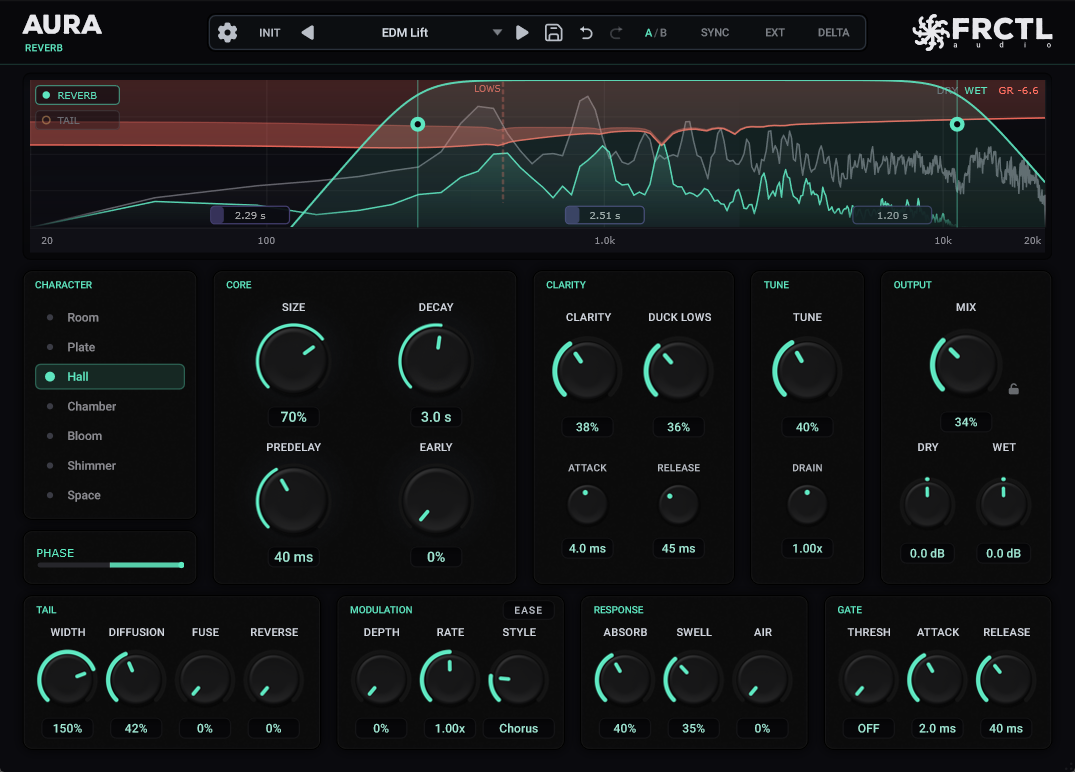
Same reverb. One gets out of the way.
Same bar, same patch, same wet level. The middle button is AURA with the clarity side off. The third is the same reverb with it working, so it's AURA against itself, not something picked to lose.
Built For
Vocals in a busy mix
Run a long tail under the lead and still hear every word.
Drums that need room, not wash
Space on the snare and overheads, kick still clear of it.
Dense arrangements
The same room on several sources without the low end turning to soup.
Sound design and ambience
Clarity side off and it's just a good reverb. Seven characters, reverse tail, EQ on the tail.
Inside AURA
What each panel does.
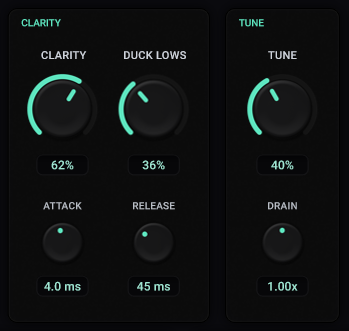
Clarity and tune
How the tail gets out of the way.
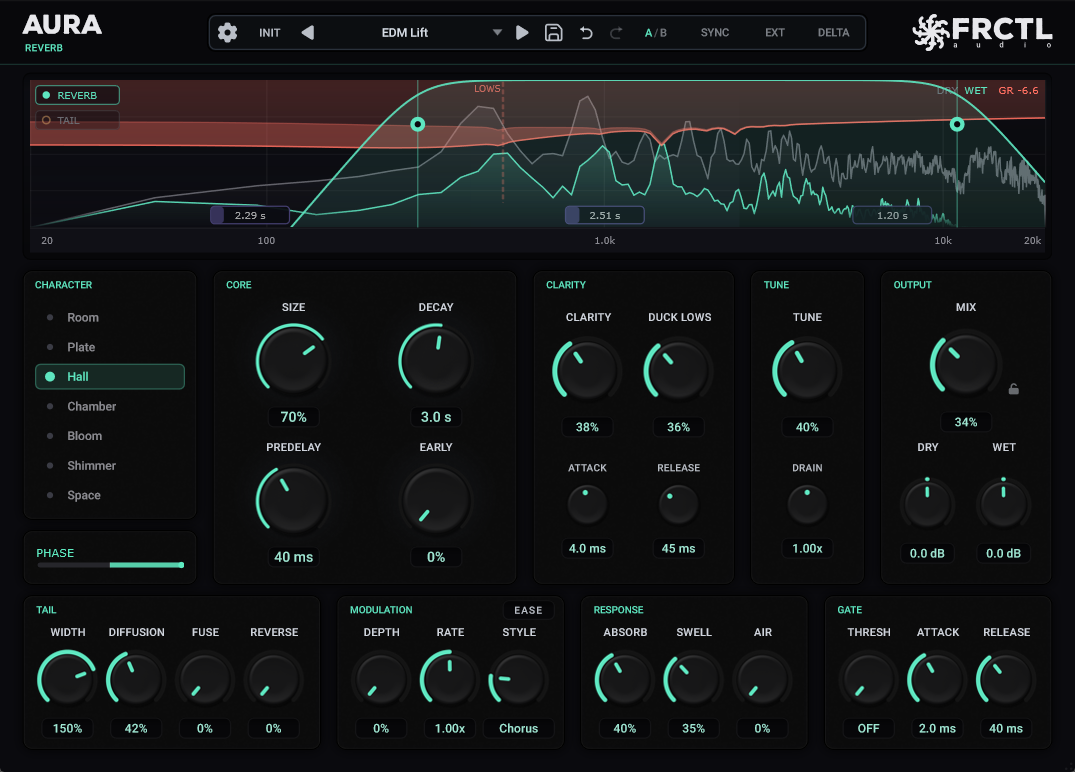
- •CLARITY sets how far the tail drops while the source plays, with the exact amount shown in dB
- •DUCK LOWS pulls the low end down harder, where a long tail does most of its damage
- •ATTACK and RELEASE set how fast it ducks and how fast it returns. Quicker release, more bloom between phrases
- •TUNE clears the tail between the notes you're playing, including ones still ringing from earlier. Best on vocals and leads
- •DRAIN sets how hard those old notes get pulled out of the tail
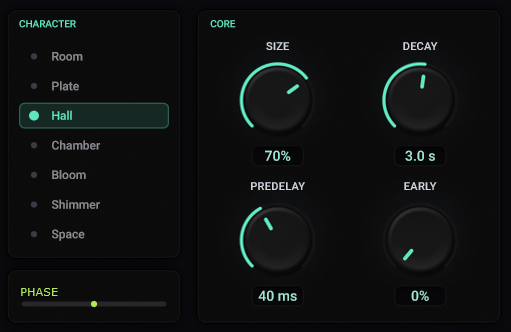
Character, size, decay, predelay
Seven spaces, then the shape of them.
- •Room, Plate, Hall, Chamber, Bloom, Shimmer and Space, each voiced separately rather than one algorithm resized
- SIZE sets the room. DECAY sets how long it rings, in real seconds, and the two are independent, so a small room can ring for twenty
Start creating.
Included
- VST3, AU, CLAP
- Windows, macOS, Linux
- Seven reverb characters
- Factory presets for vocals, drums, keys and guitar
- License key activation
- Lifetime free updates
- Direct developer support
System Requirements
Questions
What does CLARITY actually do?
It turns the reverb tail down while the source is playing, then lets it back up in the gaps. The GR meter in the display shows how much it is pulling at any moment. DUCK LOWS applies more of it to the low end, where a long tail usually causes the most trouble.
Isn't that just sidechain ducking on a send?
It's the same idea, and if you already have that routing set up you know it works. AURA does it inside the reverb, per band, without a send, a compressor and a spare bus. The difference on the page above is a few controls in one plugin instead of a signal chain you have to build first.
Can I use it as a normal reverb?
Yes. With the clarity controls at zero it's an ordinary reverb with seven characters, two editable tail EQs and a reverse tail. That's the middle button in the demo above.
How does the free trial work?
You get 14 days with everything unlocked and the audio clean, so there are no noise bursts or drop-outs while you work. When the trial ends the plugin still loads and your sessions still open, the controls just stop responding until you enter a licence key.
What's the difference between AURA and AURA Lite?
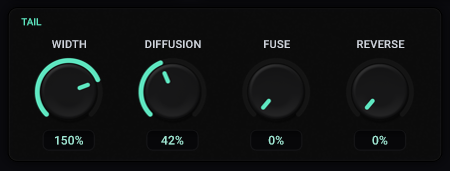
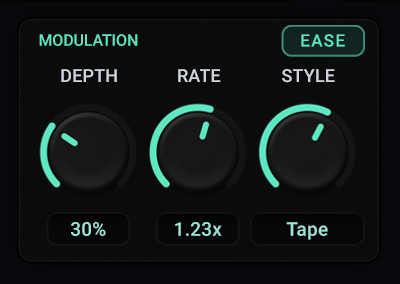
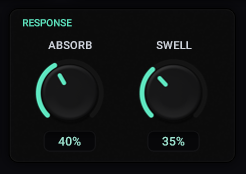
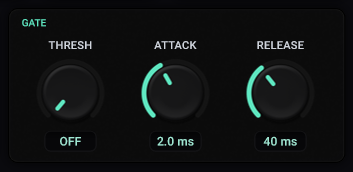
Lite is free and gives you Size, Decay, Clarity and Mix on a fixed character. AURA gives you all seven characters, the full CLARITY section with Duck Lows and its own attack and release, the modulation section, the tail and response controls, the gate, and the editable response curve.
Do I get updates?
Yes, free for life. One purchase, every future version.
“My new go-to Reverb! Ducking effectively is set up in seconds, the tails sound phenomenal and even the UI is something to look at.”
Ready when you are.
$34.99 — one time, yours forever.